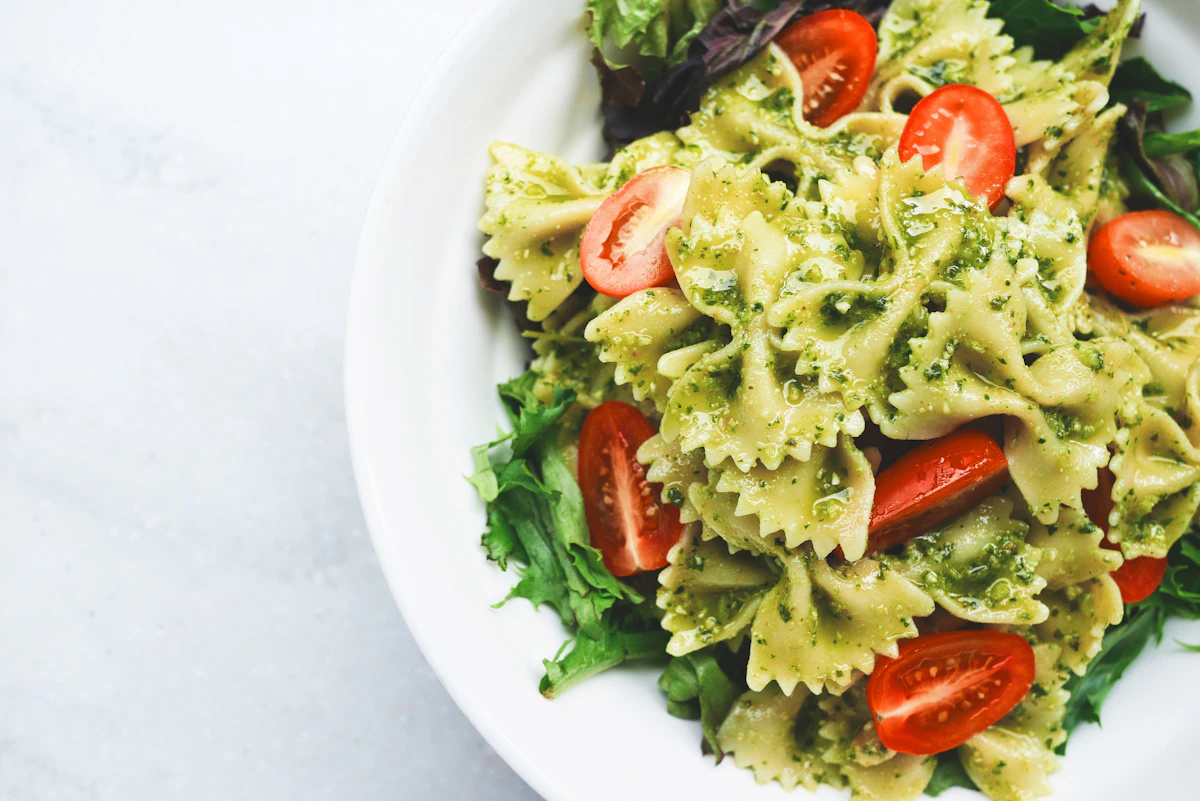
Pasta can feel confusing because there are so many shapes, but the basic idea is simple. Different shapes hold sauce in different ways, and once you understand a few pairings, you can cook satisfying meals without a complicated recipe. This guide covers the shapes beginners use most, the sauces that suit them, and the small techniques that make the biggest difference.
Shapes and What They Are For
Long pasta, such as spaghetti and linguine, works well with smooth, lighter sauces that coat each strand. Short tubes, such as penne and rigatoni, hold thicker sauces and small pieces of vegetables or meat inside their ridges and hollows. Small shapes, such as orecchiette and farfalle, are good with chunky sauces and salads because sauce clings to their curves and folds. Flat, wide pasta, such as pappardelle, suits rich, slow-cooked sauces that need a strong base.
Sauces and Simple Pairings
Think of sauce as a partner, not a topping. A light tomato and basil sauce suits long pasta. A creamy sauce works with short tubes that can carry its weight. A simple olive oil, garlic, and chilli sauce is excellent with spaghetti and needs only a few ingredients. Pesto suits short, twisted shapes that trap the sauce. When in doubt, use less sauce than you think. Pasta should be coated, not swimming, and a spoonful of starchy pasta water can help the sauce cling smoothly.
- Salt the cooking water generously before adding pasta.
- Cook until al dente, firm to the bite, then finish in the sauce.
- Reserve a cup of pasta water before draining.
- Serve immediately, since pasta continues to cook and dry out quickly.
Cooking pasta well is a useful skill for travellers too. The same habit of starting simple and learning one dish at a time works for street food abroad, as explained in our Bangkok street food guide.
Build Confidence With a Few Recipes
Start with three reliable dishes: a tomato and basil pasta, an olive oil and garlic pasta, and a simple vegetable pasta with seasonal ingredients. Once those feel easy, try variations. Change the vegetables, add beans or lentils for a heartier meal, or try a different shape with the same sauce and notice how the texture changes. Fresh herbs, good olive oil, and properly cooked pasta matter more than a long list of extras.
And if you are dressing for a relaxed dinner at home or out, a simple outfit can feel just as effortless as a simple meal. Our smart casual explained guide shows how to look polished without feeling overdressed. Keep your pasta simple, your sauces balanced, and your cooking relaxed, and Italian food at home will quickly become a pleasure rather than a project.